

A Day In The Life Of A Property Network Host

Earlier this year, as a regular attendee at the Birmingham Partners in Property meeting, I was asked to take over as co-host of the meet-up. I jumped at the opportunity as I’ve found that being part of groups – and taking on a role – is superb for your own and your company’s visibility. 

So many people ask me what’s involved during the day – what happens at our meeting and why should I attend? 

So I thought I’d write a summary of what happens during these events, and why you should consider getting involved: 

Arrival and preparation  

I normally arrive half an hour early to ensure my laptop is connected to the displays and the presentation slides are working! Despite arriving early, a couple of keen networkers always beat me to it and it’s nice to have a quick chat before setting up! 

Members arrive from 9.30am for open networking in the room and a chance to grab a tea / coffee. 

Let’s get introduced 

The meeting starts at 10am with a quick intro from everyone in the room. This is a great chance to let people know who you are, what you do, how you can help and who / what you’re looking for. 

I think it’s incredibly important to let people know what you’re currently working on and often it’s the basis of many conversations you have during the day and for making connections.  
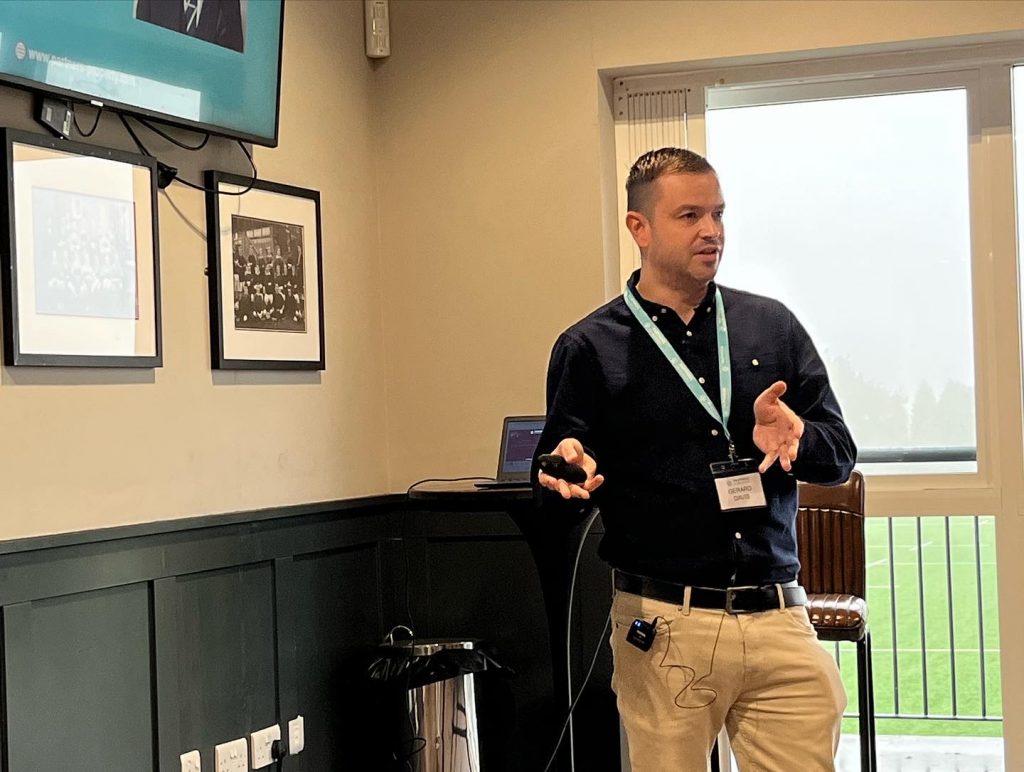
It’s time for speakers 

At every meeting, we have guest speakers and updates from our regular sponsors with another coffee break in between the morning presentations. Networking is thirsty work! 

Our speakers have a strict remit not to sell to the room, but to be informative, inspirational, and motivating. We’ve had many great speakers who have shared their business models and strategies. The property community is incredibly open and honest with their experiences and are always happy to share. There’s a brilliant collaborative spirit amongst speakers and members alike that really boosts connections. 

Food anyone? 

Lunch is at around 12.30pm which gives another chance to network. It’s an opportunity to speak to anyone who piqued your interest in the introductions. It’s also a chance to rest your voice and reset your social battery if you need to. 

Round tables 

After lunch, we have our afternoon session of round table discussions. Usually, three tables are hosted by a speaker, sponsor, or group expert and members have a chance to move around the tables to listen in to discussions and ask questions. 

This is a very popular feature of our meetings and I’ve personally learnt so much around these discussions or bought a problem or a concern to the table that’s been resolved by someone who has seen and done it before!  

It’s a wrap! 

We wrap up the meeting at 3pm, but people often stay on longer chatting and continuing the process of getting to know each other and building relationships. 

Each attendee has a different motivation for attending these events, but some of the reasons to come along include:  

  1. You can find out what’s happening in the local property industry and see any opportunities available to you 
  2. You can be inspired by other local property investors 
  3. You can meet professionals to help you in your mission – eg solicitors, estate agents, and mortgage brokers 
  4. You can see what others are doing in terms of investment strategies 
  5. You can network in a supportive community  
  6. You can find partners for Joint Ventures  
  7. You can build your own networking connections of like-minded individuals. 

If you’re interested in the property industry we’d love to see you at our meetings. The power of networking is immense and meeting new people will undoubtedly help you achieve your goals – plus you’ll make some fantastic friends along the way. 

To join, check out – Partners In Property. Any questions? Just send me a message!  

Why You Should Consider Building A Property Portfolio Alongside Your Existing Business

So why property? You run a successful business, you’re an expert in your field and most(!) of the time you’re happy! 

You may have friends and family who are property investors, and you may have seen them talking about the benefits of property investing – but why should you start and where do you start? 

Common barriers in business owners’ minds are:   

  1. I don’t have the money. 
  2. I don’t have the time 
  3. I don’t know where to start 

So, let’s answer some questions and answer those concerns. 

What’s an investment property? 

Investment properties, residential or commercial, are purchased to generate rental income for the owner and hopefully capital growth for the future. 

Several considerations, such as the property’s location, current condition, and potential for improvement, selling or tenanting must be considered when evaluating a property as an investment opportunity. 

So, why should I invest in property?  

A second source of income 

During the pandemic, when our print business suffered terribly, the property income that we had kept us afloat! Property can be one of your multiple streams of income and can help achieve an early retirement from your business. 

A store of wealth  

Cash generated by your business can often be eroded due to inflation. Property prices have consistently risen over time and therefore your surplus cash invested in property will increase in value over time.   

Leaving behind a legacy 

A property portfolio is a fantastic asset to leave to your family.   

Helping the community 

Providing a safe and comfortable home to a vast range of people, from students to professionals and from residential to commercial tenants is extremely rewarding and serves a much-needed national requirement.  

But what about my concerns? 

1/ I don’t have the money! 

This is a common concern. Remember, to start off, you usually need 30% of the total property price – the rest can be leveraged with a buy to let mortgage. 

But raising cash is always an objective of a property investor and often family and friends are a reliable source of funds to get you started.   

There are lots of tips on how to raise investment in our previous blog. 

 2/ I don’t have the time 

This is a reason that stops us from doing many things. However, if the above listed benefits of property investing are strong enough for you to start, you will make the time. A large part of the training we offer involves creating systems and processes for your existing and your property business to make sure you create the time you need to achieve your objectives. 

And if you’re really struggling for time, we can do it all for you! 

3/ I don’t know where to start! 

Reading property news, watching YouTube videos, and joining property networking groups is a great place to start. Property communities online and in person can be extremely helpful and openly share lots of information.   

And don’t forget, we have a 12-month programme that takes you step by step through the basics of property investing from formulating a plan, doing your research, buying, and tenanting your first property! 


Want to learn more about investing in property? Contact me today for a chat.

How I Started Investing In Property

Owning property has always been a big deal in our family. We had several family businesses (including shops and outdoor markets) that generated income for buying property. It was drilled into me and my siblings from a young age that it was important and that’s why, as we grew up, we all helped each other get onto the property ladder. That was several houses between us! I don’t think that I would be where I am now if it weren’t for this attitude being instilled in me as a kid.

However, while I got off to a great start with owning property, I regret that I didn’t start investing in other properties until much later. Not until 2017, in fact.

Getting started with property investing

Like many other business owners, I was too engrossed in the day-to-day of my business to look outside it for other opportunities. But now I look back at that time between 2008 and 2016 and feel like I missed out. This is probably why I’m now so keen on encouraging other business owners to start investing in property – I don’t want them to have the same regrets as me!

What finally got me started was an extension on my property. In between some walls coming down and a new kitchen being fitted, I got chatting with the builders about Houses in Multiple Occupation (HMOs). I found out that they owned three of them!

What is a House in Multiple Occupation (HMO)?

If you haven’t heard the term ‘HMO’ before or have but aren’t fully confident what it means, it refers to a property in which:

  • at least 3 tenants live there, forming more than 1 household; and
  • you share toilet, bathroom, or kitchen facilities with other tenants

Or, more simply, where you let one property to multiple tenants.

What it involved

Property investing for my business model has essentially 5 steps

  1. Find a suitable property.
  2. Finance it.
  3. Refurbish it.
  4. Rent it.
  5. Refinance to release capital to repeat the process.

It all sounds relatively simple, but each step has potential pitfalls. The location of the property is vital, and financing can be complex because it involves working with mortgage brokers, banks and private funders. You also need a great design and build team that will add value to the property during the refurbishment stage.

Additionally, tenanting a property has many rules and regulations that must be complied with. And at the end, you hope for a strong valuation that confirms you’ve transformed and added value to your project.

This is where years of experience in doing the above comes in handy when you’re helping others to become successful property investors.

Next steps with property investing

With all that I’d learnt about building work during my extension (e.g., planning permission, building regs, and managing relationships with trades etc.) and chatting to the builders, I went for it! Those builders then worked on two properties with me: one of them was completed during the pandemic.

There were plenty of mistakes in the early days and I’ve learnt so much by from them. My experiences taught me that two things were particularly helpful:

  • Networking groups specifically for property professionals.
  • Reliable training courses with experienced mentors and coaches.

This is what led me to start co-hosting Partners in Property Birmingham and create trustworthy and practical training courses. We make sure that all trainees get a chance to visit one of our developments while it’s underway so they can get some first-hand experience.

Why is property investment an excellent option for you?

Property investment, especially when done alongside your other business(es), provides a number of really important benefits. For me, the key ones are:

  • Building a portfolio as my legacy to my children – as they grow up, they can work with me on this (if they want!) and then, later, they can take it over. If they build on my work for their children, it becomes a family tradition that future generations can be a part of.
  • Multiple streams of income offer huge peace of mind – the more sources of income that you can create, the less dependent you will be on one. If something happens to disrupt one income stream, there is less of an overall impact on my finances. I think this is something that, after the last few years, we’ve all seen the importance of.
  • Business and property investment work well together – when networking for one, the chances are that I’ll meet someone interested in the other too. It means that I haven’t had to double my workload to build my property investment portfolio, which is a relief.

One thing I’d say about investing in property is that if you’re thinking of getting involved, now is a great time. Get in touch with me if you have any questions, and I’ll be happy to help.


Want to chat about property investment? Drop me a line!

Raising Private Investment For Property Development

Often, property investors will eventually run out of their own personal money pot, and some just stop investing altogether when that happens. However, this doesn’t have to be the case. Here are some tips to help you network, build your brand, and entice investors to lend to you.

Property investors and networking

Business networking really helps – yet most property investors don’t do it. Even when property investors do network, they don’t always do it well. Instead of using a networking event to build relationships and have conversations – they just charge in asking for money. The priority needs to be on talking to people consistently, helping others first, and being fine with the reality that some people won’t invest in your property.

Property investment is more successful when it’s supported by evidence; you need to demonstrate you can do what you’re saying you can do and this can be done through social media and other online means such as a blog or a webinar.

For example, my first investment was a 3-bed terraced house that I bought for £160,000 and converted into a 4-bed HMO for £50,000. It revalued at £250,000 and every room has been consistently rented out for the last four years, really proving the concept to both myself and my investors of adding value and repaying the cash raised to fund the project.

Share your journey

The most painless strategy to get more attention is to use your existing social media accounts. Getting the word out that you’re involved in the property market is essential, and really should not be kept hidden. You should also provide evidence of your accomplishments. Using social media sites like Facebook and professional networks like LinkedIn to showcase your property is a smart move. You’ve probably seen photographs of people in front of their new homes proudly brandishing the keys; people might think it’s corny, but it shows that you’re serious about property.

If that doesn’t seem like your cup of tea, try displaying the “before and after” shots of your most recent property project. People love these kinds of transformations, and they’ll get inspiration from what you’re doing, especially on TikTok and Instagram.

In particular, I got value from the Partners in Property Community Facebook page which is a resource for new investors to ask questions and attend meetings.

Don’t stop there! Share photos of yourself and other property investors at conferences and seminars to display your dedication to bettering yourself and self-development. Don’t wait for others to invest in you before you make the effort to invest in yourself.

Raising money has to be part of your business plan

This may sound disheartening, but you need to change your mindset to be constantly raising money. This is an ongoing journey for your property portfolio to really flourish and one way to do this is to have some KPIs or targets around it. Personally, mine is to identify one new investor per month so I’m constantly aware of what I’m aiming for. You’ll also need to demonstrate how someone got repaid and it’s important to share the process. Don’t forget the importance of separating yourself from the numerous amounts of empty promises out there, such as 30% interest paid annually or other such ridiculous promises!  Be open and honest about your successes and what you offer.

For example, in the summer of 2022, I completed a refinance of a property and the solicitors sent me £49,140 more than they should have done! I pointed it out to them as they were totally oblivious! They asked if I could send it back. I said, “Of course, that’s why I’ve told you!” Then followed half a day of unblocking my bank account, lifting daily limits, and talking to the fraud team that trying to send the money created! In the end, everyone was relieved, I got brownie points with the lender, someone probably got away with a telling off rather than getting fired – and the co-founder of the legal firm sent me £100 to enjoy dinner at the weekend!

Be patient, be prepared, be honest

It’s crucial to remember that it takes time. This doesn’t mean you’ve failed, or that you’re doing a bad job, it’s a difficult market! It’s important to create a pipeline and to review your own strategy while identifying what works, and what doesn’t. Record these trial and errors and publish them, prove to your investors that you can navigate the difficulties that the property world has.

When you do get an investment, respect the money! No matter the amount, it’s hard-earned money that they’ve chosen to place into your company, and that shouldn’t be dismissed.

The next step is to demonstrate your plan and exactly how you’ll protect it to your investors. This is a good time to mention their return of investment as your investors are going to want to know when they’ll get their money back before they offer you any more.

An example of when I’ve done this is a few months ago when another £30,000 of original funding and £2,400 of interest was paid back to two of my networking friends. A further £2000 interest was paid to a private funder who wanted to renew the loan. One of my private funders is going to use their capital and interest to buy a property. One is going to use the funds to furnish their home. One funder is using the interest to pay for a holiday.
Their funding was used to complete the refurb on a couple of property projects and they had free access to see the projects as they take shape.

Let me know if you’d like to become a private funder, as we have lots of new projects in the pipeline!


Want to learn more? Contact me today for a chat.

The Six Common Mistakes Of Property Investment

We’ve been investing in, and developing, property for a few years now. In that time, we’ve learnt (quite) a few things. Fortunately, there hasn’t been anything catastrophic just yet, and we’re still moving successfully forward with our business. But there have been mistakes, which could have been avoided if we knew what we didn’t know! So, in the spirit of helping others start on the right foot, we wanted to share our learning and help you if you’re interested in property investment.


Six mistakes to avoid when starting in property investment

1. A quick property viewing and missing important details

During the viewing for one of our first properties, we weren’t as thorough as we should have been so we missed the fact that there wasn’t any central heating! We only found out during the surveys so were faced with a choice of pulling out of the deal or finding an extra £6k to install it.

We went for the second option and it ultimately worked out OK but, at the time, it added unnecessary stress and unpredicted expense. Now, we make sure to carry out a thorough viewing – with a viewing checklist – so that we’re clear upfront on what work will be needed.

Need the checklist? Get in touch!

2. Treating a mortgage agreement in principle as an offer

An agreement in principle for a mortgage and an actual mortgage offer are two very different things. It’s important to know this as well as that an agreement in principle does not guarantee a mortgage offer.

It’s relatively easy to get an agreement in principle from a mortgage provider: they take a limited amount of information from you and conclude that they could offer you a mortgage. Having broadly met their eligibility criteria, you then have to undergo more detailed checks before they determine that they will offer you the mortgage.

If you’re using a mortgage broker, check their Terms and Conditions to make sure that you only need to pay if you receive a successful mortgage offer. It has been known that people are charged for an agreement in principle. We were! We paid over £2k for an agreement in principle that didn’t result in an offer! Stupid, right? Don’t be stupid like us

3. Paying twice with mortgage brokers and solicitors

This one is all about fine detail and not making assumptions. We’d, quite fairly, assumed that we’d need to pay for all the various searches to be done by a solicitor during an early property purchase. They were paid to do these. Then, our mortgage company asked for the same information and it transpired that had ‘dual representation’ and they did the searches again! We’re glad we found out early on so that we didn’t make the mistake again but, still, we’d rather not have done it in the first place. Make sure you don’t! Ask your broker if you need to appoint a solicitor or whether the lender’s solicitor will also be representing you.

4. Having vague agreements with builders

While we’re specifying ‘builders’, this is also true of anyone you’re paying: be clear about what you’re paying for and don’t pay too much upfront. Fortunately, we’ve worked with some great builders so have managed to escape most of the horror stories you hear. Some of the reasons why it’s worked out OK is that we build a strong relationship with local builders first and then used them on our developments. Despite that, we still made sure that we agree on a clear scope of work and staggered payments in line with the work: good for limiting exposure and cash flow.

5. Not being able to add value to a property

Never buy a property that you can’t add value to. You need to be able to create an extension, add an extra bedroom, convert the loft etc. as this is how to ensure that you, firstly, get a return of investment (i.e., don’t lose money) as well as a return on investment (i.e., make money). Both are critical so don’t choose a property where someone else has done all the work and reaped the benefits. This is the time to find a ‘fixer-upper!’

6. Expecting a speedy financial return

Be cautious with how you spend your money, especially if it’s on training courses that promise you a huge return in a matter of weeks or months. It’s simply not possible. Property is a longer-term investment that requires a fair amount of cash upfront and, when done properly, can bring a 20% return on your money. However, this will take time – years, likely – so be prepared for that and, as they always say, steer clear of offers that sound too good to be true.


Interested in finding out more about our investment and training opportunities? Let’s have a conversation! Phone 0121 6477090 or email info@brahmaproperty.co.uk.